

Uncategorized
Is 20 Puffs of Vape a Day a Lot? What You Need to Know
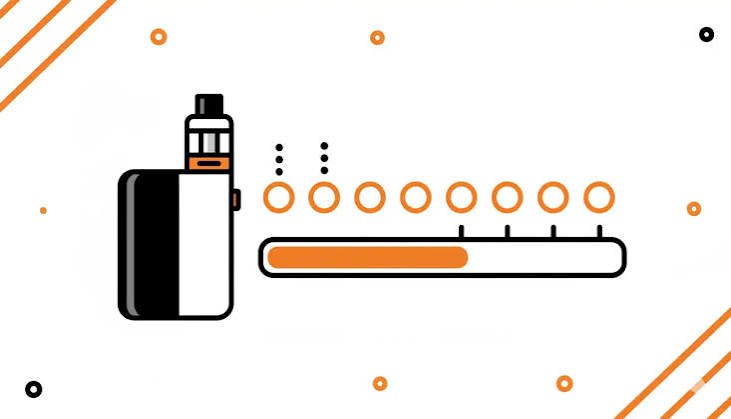
Taking 20 puffs of a vape per day may sound like a small amount, but whether it counts as heavy vaping depends on your nicotine strength, vape device, and how deeply you inhale. If you’re wondering whether 20 vape puffs a day is safe, whether it can cause nicotine addiction, or how it compares with smoking cigarettes, the answer is more complicated than simply counting puffs.
The good news is that understanding your daily vaping habits can help you make informed decisions about your health.
Is 20 Vape Puffs a Day Considered Heavy Vaping?
For many people, 20 puffs a day would be considered relatively light vaping compared with frequent users who take dozens or hundreds of puffs throughout the day. However, there is no universally accepted puff count that defines light, moderate, or heavy vaping.
The amount of nicotine you absorb depends on several factors:
- Nicotine strength: A vape containing 20 mg/mL of nicotine can deliver substantially different nicotine exposure from one containing 3 mg/mL.
- Type of vape: Disposable vapes, refillable pod systems, and high-powered vape devices deliver nicotine differently.
- Puff duration: A long, deep inhale may deliver more aerosol and nicotine than a short puff.
- Nicotine dependence: If you feel an urge to vape as soon as you wake up or become irritable when you cannot vape, you may be developing nicotine dependence.
For example, someone taking 20 short puffs from a low-nicotine device may absorb less nicotine than someone taking 20 long puffs from a high-strength nicotine salt vape.
This means that 20 puffs per day is not automatically a high amount, but it is not automatically safe either.
What Are the Health Risks of 20 Puffs a Day?
Even if your daily vape use seems low, vaping can expose your lungs to nicotine, fine particles, metals, and other potentially harmful chemicals. The long-term effects of e-cigarette use are still being studied.
Here are a few things to watch for:
- Nicotine addiction: You may gradually develop cravings or feel the need to vape more often.
- Increased heart rate: Nicotine can temporarily increase your heart rate and blood pressure.
- Respiratory irritation: Some people experience coughing, throat irritation, or shortness of breath.
- Sleep and mood changes: Nicotine can interfere with sleep and may contribute to anxiety or irritability, especially when its effects wear off.
These effects are not inevitable after 20 puffs, but a low puff count does not eliminate the risks.
How Can You Tell If You’re Vaping Too Much?
Your body’s response to vaping matters more than the number of puffs alone.
Ask yourself:
- Do you crave your vape when you wake up?
- Do you feel restless or irritated when you cannot vape?
- Are you gradually increasing your daily puff count?
- Do you experience dizziness, nausea, headaches, or a racing heartbeat after vaping?
If you regularly experience these symptoms, consider reducing or stopping your nicotine intake and seeking medical advice if they persist. Severe chest pain, difficulty breathing, fainting, or a severe or persistent racing heartbeat warrants urgent medical attention.
How to Reduce Your Daily Vaping
If you want to cut down, start with manageable steps:
- Track your daily puffs and identify when you vape out of habit.
- Delay your first puff of the day and create vape-free periods.
- Avoid increasing nicotine strength to compensate for fewer puffs.
- Consider gradually reducing nicotine use or getting professional support to quit.
If you are an adult who smokes cigarettes, switching completely to vaping may reduce exposure to many harmful chemicals found in cigarette smoke. However, using both cigarettes and vapes is not a reliable way to protect your health. If you do not smoke, it is best not to start vaping.
Final Verdict: Is 20 Puffs a Day a Lot?
Twenty puffs a day is relatively modest compared with frequent vaping, but the nicotine strength and your individual response make a big difference. It is not possible to determine your nicotine intake or health risk from puff count alone.
To give you a more accurate answer, tell me two things:
- What nicotine strength is your vape? For example, 0 mg, 5 mg, 10 mg, 20 mg, or 50 mg.
- How old are you? This matters because nicotine poses particular risks to the developing brain in teenagers and young adults.
With those details, I can explain how concerning 20 puffs a day may be for your situation.
